

As part of our Workshop Day on Wednesday 26th August, 1 of our 4 workshops was Dancer Wellness with Miss Amelia, focusing on something that is just as important as dance technique - learning how to look after yourself as a dancer.
The information shared during the workshop was researched alongside Miller Oram, who studies Sport and Nutrition at the University of Huddersfield, and covered areas including nutrition, hydration, sleep & recovery, stretching & mobility and mental wellbeing.
The aim of the workshop was to help our dancers understand how looking after their bodies and minds can support their training, performance and overall wellbeing.
Most importantly, the workshop was not about judging what our dancers eat, drink or do. Everyone is different, and the focus was simply on providing useful information and practical tips that dancers can take away and use to help them become the best dancers they can be.
I thought I would also write about the workshop here to share the information with any dancer who is interested in learning more about dancer wellness and how they can better themselves, both inside and outside of the studio. I hope you find it useful and take away something that you can apply to your own dance journey!
Part 1: What Does “Dancer Wellness” Mean?
Being a good dancer isn't just about technique. Looking after your body and mind is a huge part of being able to train, perform and progress.
Dancer wellness includes:
- Fuelling your body with enough food and energy to support training.
- Staying hydrated before, during and after dancing.
- Getting enough sleep and recovery so your body and brain can recharge.
- Looking after your mental wellbeing and managing the pressures that can come with dance.
- Listening to your body and recognising when you may need to slow down, rest or speak to someone.
These things can help dancers stay motivated, support recovery and reduce the risk of injury.
"A Healthy Dancer = A Strong Dancer"
Looking after yourself isn't separate from dance training - it is part of your training!

Nutrition: Fuelling Your Dancing
Nutrition = the biochemical and physiological process by which an organism uses food and water to support life and body function.
Food gives your body the energy it needs to dance. Without enough fuel, dancers can experience things such as:
- Low energy and tiredness
- Difficulty concentrating
- Reduced strength, power and stamina
- Feeling run-down
- Slower recovery
- A higher risk of injury
This is why eating enough and choosing foods that provide the nutrients your body needs is so important.
Ask yourself - Have I experienced any of these symptoms as a dancer? If so, when and why? What could I do next time to prevent it from happening again?
Carbohydrates
Carbohydrates (carbs) are an important source of energy for dancers. Foods such as pasta, rice, potatoes, bread, cereal and oats can help provide the fuel needed for training.
Some simple meal or snack ideas include:
- Toast with jam or honey
- Porridge
- Sandwich
- Pasta with sauce
- Bagels
- Rice and chicken
- Pancakes
- Cereal and milk
TIP: where possible, having a meal around 1–2 hours before dancing can give your body time to digest the food and provide energy for your session
Quick Snacks
On busy dance or competition days, a smaller, easy-to-digest snack can be useful when you don't have time for a full meal.
Some examples discussed in the workshop included:
- Bananas and other fruit
- Dried fruit
- Cereal or granola bars
- Mini bagels with jam
- Pretzels or crackers
- Rice cakes with jam
- Toast with jam or honey
- Small sandwiches
- Mini pancakes with fruit
- Popcorn
- Smoothies
- Flavoured milk
Miller's top recommendation: Squares bars are a convenient option for a quick snack.
Remember... carbs = energy!
The important message isn't that dancers should never enjoy less nutritious foods. It is about understanding how different foods can make you feel and choosing foods that support your body when you need to train or perform.
Choosing the Right Fuel Before Dancing
It is not about saying you can’t eat foods like Greggs, takeaways or other higher-fat foods - everything can be enjoyed as part of a balanced diet. However, before dancing or performing, these foods may not always be the best choice.
Foods that are higher in fat can take longer to digest and may leave you feeling heavy, sluggish or uncomfortable when you are dancing. On a competition or performance day, this can make it harder to feel light, energetic and ready to perform.
Instead, choosing a smaller, easy-to-digest carbohydrate-based snack before dancing can give you a quicker source of energy without leaving you feeling too full. Examples include a banana, toast, a cereal bar or rice cakes.
The key is to think about what your body needs for the activity you are about to do. You do not need to completely avoid your favourite foods - it is about choosing the right fuel at the right time.
Recovery After Dancing
After dancing, your body needs to refuel and recover.
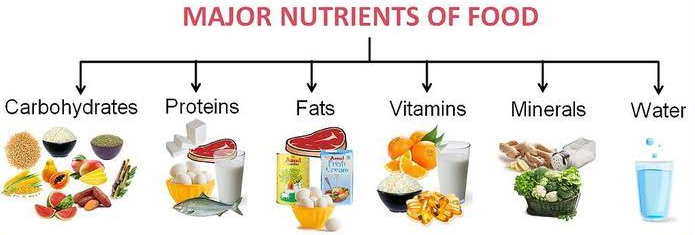
Different nutrients have different roles:
- Carbohydrates → provide energy
Examples: bread, rice, pasta, potatoes and cereal. - Protein → helps muscles repair and grow
Examples: eggs, chicken, fish, beans and yoghurt. - Fats → support energy and overall health
Examples: nuts, seeds, avocado, yoghurt, cheese and olives. - Vitamins, minerals and fibre → support overall physical and mental wellbeing
Found in a wide range of fruit and vegetables.
TIP: Regular eating patterns can also help maintain energy levels throughout the day.
Hydration
During dance, your body temperature rises and you sweat, which means you lose water. Staying hydrated is therefore essential.
Water helps to:
- Keep your body hydrated
- Regulate your body temperature
- Support muscle function
- Maintain concentration
- Support physical performance
Before Dancing
Drink regularly throughout the day rather than waiting until you are thirsty immediately before class.
During Dancing
Take regular sips of water during breaks, particularly if you are hot or sweaty.
After Dancing
Continue drinking water to replace fluids lost during exercise.
Signs you may not be drinking enough can include:
- Thirst
- Tiredness
- Headaches
- Difficulty concentrating
- Reduced physical performance
- Feeling unusually hot
- Dizziness or feeling light-headed
- Poorer recovery
- Darker urine

TIP: A simple way to stay hydrated during exercise is to get a water bottle with reminders on and make a habit of drinking during breaks in class or in between dances on a competition day for example.
Water First
For dancing and exercise, water should be your main choice of drink.
If you don't enjoy plain water, squash can be an alternative way to help you drink more fluids. Fruit juices such as apple and orange juice contain naturally occurring sugars, so they can be included as part of a balanced diet (have in a morning), but water is generally the best choice for staying hydrated during exercise.
TIP: Energy drinks are not recommended for young dancers (have a small sugary snack instead), and fizzy drinks are not an ideal choice for hydration during training.
Sleep & Recovery
Sleep is something dancers can easily underestimate, but it plays an important role in both physical and mental performance.
Sleep helps your body to:
- Repair and recover after dancing
- Restore energy for your next class
- Process and remember choreography and corrections
- Improve concentration and focus
- Support injury prevention
- Support mood and mental wellbeing - being tired can make you feel more irritable, stressed or unmotivated (which you may see on a competition day)
- Support normal growth and development in young dancers
But recovery isn't just about sleeping.
Recovery Can Include:
- Rest days
- Lighter training when needed
- Eating enough
- Staying hydrated
- Giving tired muscles time to recover
When you train, you place stress on your body. Recovery gives your body time to repair and adapt.
TRAIN → RECOVER → IMPROVE!
Biggest advice: "Rest when your body needs it, taking a break doesn't make you a weaker dancer"
In fact, giving your body the recovery it needs can help you return to training stronger and more prepared. Dancers should learn to listen to their bodies. If you are unusually tired, struggling to concentrate, feeling weak or experiencing pain, it may be a sign that your body needs more recovery.
Part 2: Stretching & Mobility
We also looked at the importance of preparing the body before dancing.
Warming Up
A good warm-up helps prepare dancers both physically and mentally for exercise.
Our warm-up included exercises such as running, changes of direction, gallops, jumps, star jumps, grapevines and a variety of dynamic stretches.
The aim is to gradually raise the heart rate, increase movement and prepare the body for the activity ahead.
Dynamic Stretching
Dynamic stretching = involves actively moving muscles through their range of motion rather than holding a stationary stretch (a moving stretch not a static stretch, as that can cool your muscles down)
Examples include:
- Leg swings
- Walking lunges
- Arm circles
- Torso twists
- Hip movements
These can be incorporated into a warm-up to prepare the body for dancing or exercise - these are great ones to do before going on stage.
Static Stretching
Static stretching involves holding a stretch in one position. This can be useful as part of recovery and flexibility work rather than using long-held static stretches as the main part of a warm-up.
PNF Stretching
We also introduced PNF stretching (Proprioceptive Neuromuscular Facilitation), a technique often used to help improve flexibility.
It commonly involves 2 people and a sequence of contracting, relaxing and stretching a muscle. For example, one person can gently hold a partner's leg while they apply a controlled push, relax and then move into a further stretch.
PNF stretching should be performed carefully and appropriately, particularly with young dancers, and should never involve forcing a movement.
TIP: One of the key messages from the workshop was that forcing a stretch isn't productive. Trying to push beyond what your body can comfortably manage can increase the risk of injury. Flexibility should be developed gradually through consistent training and controlled progression.
Overall: Looking After Your Mind
- Dancer wellness isn't only physical.
- Dance can be exciting, rewarding and a brilliant way to build confidence, but dancers can also experience pressure around performances, competitions, exams and progression.
- Looking after your mental wellbeing can help you manage these pressures, maintain confidence and continue enjoying dance rather than developing a negative mindset around your training.
Remember: resting, making mistakes and having difficult days doesn't make you a bad dancer.
Creating Your Own Dancer Wellness Plan
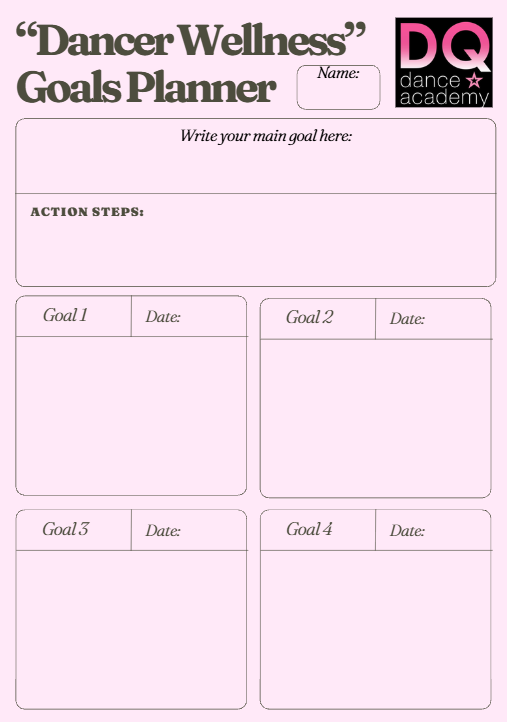
To finish the workshop, we encouraged our dancers to think about their own wellness goals and I have attached an example template you could follow to the right --->
Everyone's body and needs are different, so there isn't one perfect plan for every dancer.
Our dancers could choose from (in relation to a dance day they have coming up e.g. a comp day or a show day):
- Hydration goals
- Nutrition/fuelling goals
- Sleep & recovery goals
- Physical goals
- Mental wellbeing goals
Small, realistic changes can make a big difference over time.
The Big Message
The most important thing we wanted our dancers to take away from the workshop was:
“You can't expect your body to perform at its best if you don't look after it.”
Being a great dancer isn't just about what happens when you are in the studio. It is also about how you fuel, hydrate, recover, sleep, stretch and look after your mind outside of class.
We hope our Dancer Wellness Workshop gave our dancers some useful information that they can take forward into their training, performances and everyday lives.
"A healthy dancer is a strong dancer and looking after yourself is part of becoming the best dancer you can be."